Tartu
The information that can be useful for your travel.
Pictures of Tartu
Pictures of Tartu at Panoramio
|
Travel advices and warnings Tartu
| |||||||||||||||||||||||||||||||||||||||||||||||||||||||||||||||

Tartu, EstoniaThursday 4, June |
|
From wikipedia about Tartu
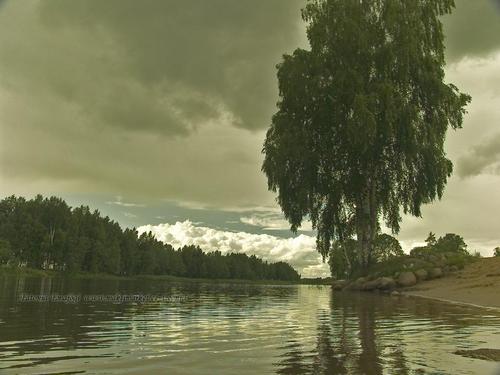
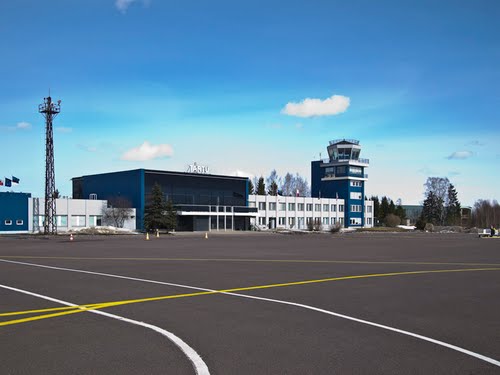
Tartu is the second largest city of Estonia. In contrast to Estonia's political and financial capital Tallinn, Tartu is often considered the intellectual and cultural hub, especially since it is home to Estonia's oldest and most renowned university. Situated 186 km southeast of Tallinn, the city is the centre of southern Estonia. The Emajõgi river, which connects the two largest lakes of Estonia, crosses Tartu. The city is served by Tartu Airport.Historical names of the town include Tarbatu, In the fifth century they (Estonians) built the first fortress at Tarbatu – from which both
the modern Estonian name of Tartu and the Germanic name of Dorpat derive: an Estonian fortress founded in the 5th century, Yuryev named c. 1030 by Yaroslav I the Wise, and Dorpat as first known by the German crusaders in the 13th century.
Do you have a travel question?
Ask your question about travel on our Forum
Ask your question about travel on our Forum